Settings Explained: Prongs, Bezels, Channels and Pave
- Trinket File
- Metals and Stones
- 03 Jun, 2026
A setting is usually chosen for how much of the stone it leaves visible. That is the wrong criterion, or at least an incomplete one. The setting is the structure that holds a brittle stone inside a metal object that gets knocked against desks, taps and doorframes. It decides which part of the stone is exposed to impact, how easily dirt is cleaned out, and whether a stone that comes loose can be put back.
The same stone in a different setting is a different piece of jewellery in terms of risk. Three jobs are in tension inside any setting: it must hold the stone securely, expose enough of it to be seen, and be cleanable. Every design trades one against the others, and the right choice depends on where the piece is worn rather than on which setting looks best in a display case.
Claws and prongs, and where they catch
Claw settings, also called prong settings, hold a stone with a small number of metal posts bent over its edge. Four claws are common on a solitaire because they leave the most stone visible. Six claws spread the load and add redundancy, so that one bent claw leaves the stone held by the rest. The trade-off is more metal across the face of the stone.
Height is the detail most often overlooked. Tall claws catch on knitwear, hair and bag straps, and each snag bends the claw outward and loosens the stone. A claw that has been bent repeatedly will eventually fatigue and break. Claws should sit low over the crown of the stone, and each tip should be rounded and polished rather than left sharp.
Claw tips wear down over years, especially on a ring worn daily. Re-tipping adds a small amount of metal to each tip, and it is a normal maintenance job. Repeated re-tipping at the same claws gradually builds lumps of metal and changes the look of the setting, so it is worth having the work done before the claws are badly worn.
Rub-over and bezel settings
A rub-over setting, called a bezel setting in much of the trade, is a wall of metal raised around the stone and pushed over its edge. It protects the girdle, which is the thin edge of the stone and the part most likely to chip. That makes it the sensible choice for a ring on a working hand or for any stone with a fragile edge.
The costs are real. A rub-over hides the outer edge of the stone and can make a stone look smaller than it measures. The metal wall must be thick enough to resist deformation, because a thin bezel dents and can then either crush the stone or release it. A rub-over also traps dirt and soap against the stone and is harder to clean than an open setting. Removing the stone for a repair means opening the metal and re-closing it, which uses up some of the wall thickness each time.
Variations include the half bezel, which covers part of the girdle, and the flush or gypsy setting, which sinks the stone so that only its table is exposed.
Channels, bars and pavé settings
A channel setting holds a row of stones between two walls of metal, with the walls pushed over the edges of the stones. The stones are usually square or rectangular, and they sit level with the metal rather than above it, which protects the corners. Side stones in a channel are far less likely to be caught than stones in claws.
The weakness is the walls. They are thin by necessity, and a wall that opens with wear releases not one stone but often several, since the row is held as a group. Replacing a stone in a channel means matching it for calibrated size and colour, and a wall that has been closed once has less metal for a second attempt. Bar settings, which place a metal bar between stones, are a stronger variant of the same idea and are easier to repair one stone at a time.
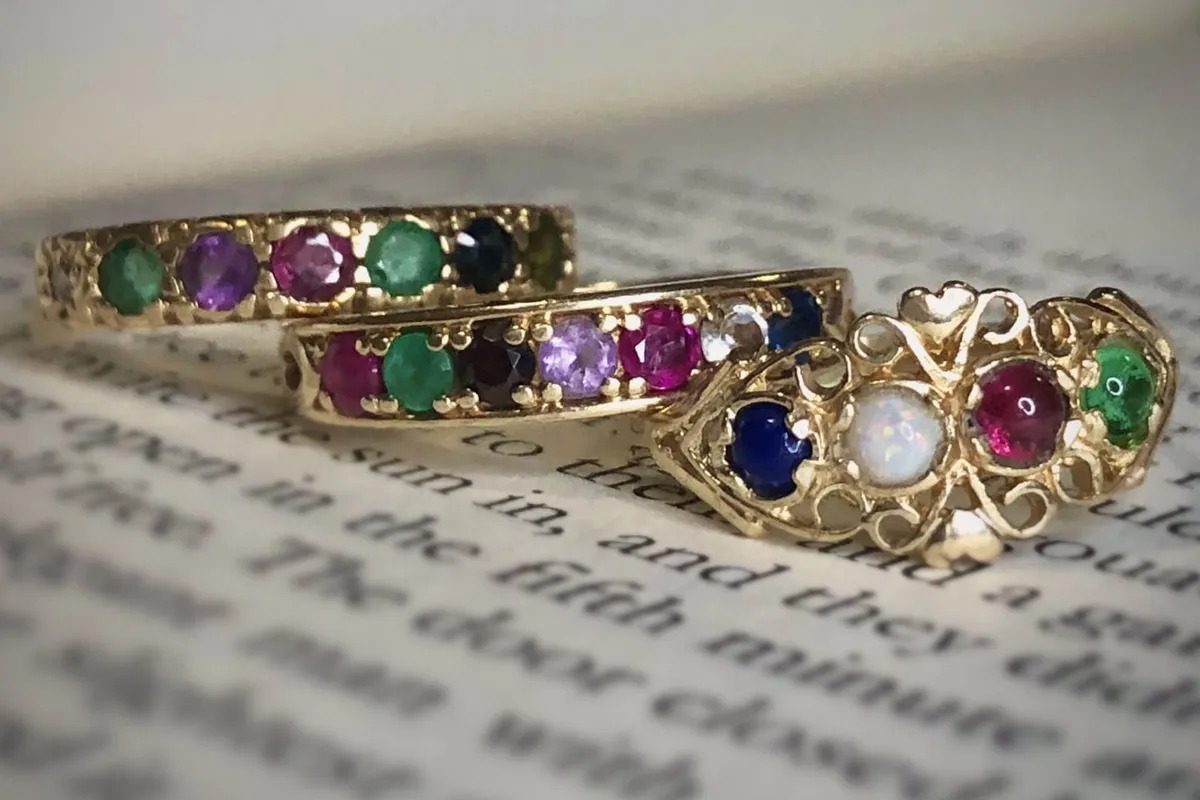
A pavé setting takes the same idea across a whole surface. It covers the metal with small stones set close together, each held by tiny beads of metal raised from the surrounding surface, a technique called grain setting. The beads are often a fraction of a millimetre across.
That scale is the source of both the appearance and the risk. There is very little metal holding each stone, so a single knock can shear several beads and release several stones at once. The metal between the stones is thin, and on a band that bends, that thin metal is what takes the strain. Replacing one stone means raising new beads and often tightening the neighbours, because the beads are formed from the surrounding metal rather than added to it. Every pavé repair uses up a little of the surface, and a band that has been re-set repeatedly eventually needs remaking rather than repair.
Pavé also collects dirt around each bead, and an ultrasonic cleaner is not always appropriate for a piece with many small stones held by thin metal.
Tension settings
A tension setting holds the stone in compression between two ends of a sprung metal band, with no claws visible. It shows the whole stone and leaves it open for light. The metal has to stay under load for the life of the piece, which makes the setting sensitive to heat and to knocks. A deformation that relieves the tension releases the stone entirely, and a repair that involves heat, such as soldering, can remove the metal’s spring. Tension settings are also difficult for a workshop other than the original maker to service. They suit tough stones and low-risk wear, and they are a poor match for emeralds, opals or any stone with internal fractures.
Matching the setting to the stone
Hardness and toughness are different properties. Hardness is resistance to scratching; toughness is resistance to breaking, and the two do not move together.
- Diamond, sapphire and ruby: tough enough for claws, channels and tension settings, though a sharp knock on a thin girdle can still chip one.
- Emerald: brittle and usually fractured. A rub-over or a protective setting with a low profile suits it far better than tall claws.
- Opal and other water-bearing stones: soft and sensitive to heat, so a protective setting and gentle cleaning both matter.
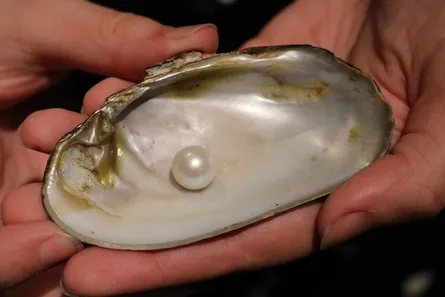
- Pearls and organic stones: never held by claws. They are set on a peg or in a cup, where the surface is supported rather than gripped.
A checking routine
- Look at the stone from the side. If the girdle is exposed all the way round, expect knocks to reach it.
- Run a fingernail over the metal around the stone and note anywhere it snags.
- Count the claws and check that each one bears evenly on the stone and none has lifted.
- Check whether the setting is open underneath or closed, since that decides how much light reaches the stone and how it is cleaned.
- Ask what a replacement stone would cost and whether a matching one is available in the size used.
- For any repair, ask whether heat is involved, and what the work does to the setting’s remaining metal.
- Clean according to the setting: a soft brush and mild soap for an open claw setting, care and a professional for pavé, and no ultrasonic cleaning for a piece with loose or treated stones.