Caring for Jewellery at Home: Cleaning, Storage and Wear
- Trinket File
- Care
- 28 Jul, 2026
Very little jewellery is ruined by cleaning. A great deal is ruined by wearing it in the wrong places, storing it in a heap, and cleaning it with something more aggressive than it needed. The right approach is unglamorous and takes about two minutes a week.
The general method
For most gold, platinum, silver and diamond pieces, this is enough:
- Put the plug in the sink, or work over a bowl. Loose stones do not bounce; they disappear down a drain.
- Use lukewarm water with a drop of mild washing-up liquid.
- Brush gently with a soft brush — a baby toothbrush is ideal — paying attention to the back of the piece and the underside of the setting, which is where grime accumulates.
- Rinse in clean lukewarm water.
- Dry with a soft lint-free cloth, and let the piece air dry fully before wearing it. Trapped moisture under a setting causes trouble over time.
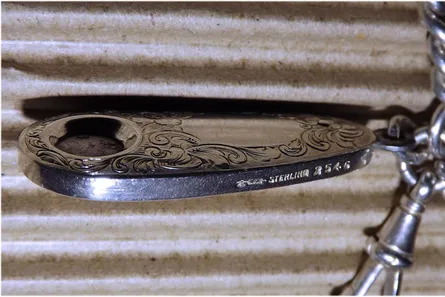
Silver is a special case: a soft silver-polishing cloth removes light tarnish and the oils from handling, and more stubborn tarnish needs either a cloth or a chemical dip, both of which have limits.
What not to use, and why
- Toothpaste, baking soda, salt and vinegar mixtures. These are abrasives or mild acids. They scratch polished metal and can dull the surface of softer stones. The scratch marks they leave are permanent.
- Household ammonia and “jewellery bath” dips. They strip plating and they attack porous or organic materials. On silver, a dip removes tarnish chemically but also removes the dark oxidation that gives engraved or antiqued detail its contrast, and the effect cannot be selectively reapplied.
- Bleach and chlorine. They corrode alloys, damage plating and can pit metal, and repeated exposure weakens the joints of chains.
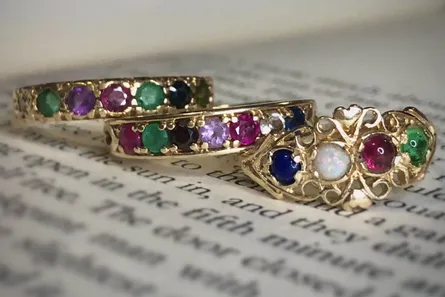
- Ultrasonic cleaners, for anything other than ordinary hard stones in sound settings. They are a bad idea for pearls, opal, amber, coral, turquoise, emerald and any stone that is oiled, fracture filled or glued, and for older settings that may be fragile.
- Steam cleaners. A workshop tool, and the same exceptions apply.
- Hot water. It can loosen glued components and stress some stones.
Silver and tarnish
Tarnish is a surface reaction, not damage to the metal, and it is driven by sulphur compounds in the air as well as by skin chemistry. Rubber bands, some foams, wool and certain papers accelerate it, which is why storage matters as much as cleaning.
Three practical measures reduce it. Wear silver reasonably often, since maintaining a clean surface is easier than restoring a neglected one. Store it in a sealed bag or a lined box with an anti-tarnish strip, keeping pieces separate so they cannot scratch each other. And keep it dry: humidity speeds tarnish, so a dry drawer beats a damp bathroom.
Polishing cloths are the gentlest option and can be used regularly. Chemical dips should be a last resort for heavily tarnished pieces with no porous stones and no plating, used for a few seconds at a time rather than left to soak. Every polish and every dip removes a thin surface layer, so the aim is to slow tarnish rather than repeatedly strip it.
Gold, plating and finishes
Gold itself does not tarnish, but it collects soap, hand cream and skin oils, which show up as dullness. The soap-and-water method restores it, and occasional professional polishing handles deeper scratches.
Plated pieces are the opposite case: the plating is the finish, so anything abrasive wears the thing you are trying to protect. Keep plated jewellery dry, put it on after perfume, hairspray and lotion have dried, and take it off before washing your hands, exercising or cleaning. Do not polish plated surfaces with a cloth; wipe them with a soft dry cloth instead. Once the plating has worn through at the edges, it cannot be restored at home, and re-plating is often uneconomic on inexpensive pieces.
Rhodium-plated white gold behaves like plated jewellery in the sense that the finish wears, but it is normally re-plated by a workshop rather than thrown away. Expect to have rings re-plated periodically depending on how much they are worn.
Material-specific care
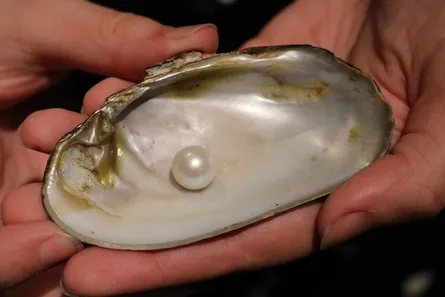
Pearls are the least forgiving of the common jewellery materials. Put them on last, after perfume and cosmetics, and take them off first. Wipe them with a soft cloth after wearing to remove skin oils, and never soak them, use a dip, or run them through an ultrasonic cleaner. Store them away from metal that can scratch the surface, and if a strand is worn often, have it restrung with knots between the beads.
Opal dislikes rapid temperature change and drying out, and it should be kept away from heat, harsh chemicals and prolonged direct sunlight. Wipe with a soft damp cloth and dry it — no dips, no ultrasonic.
Emerald is typically treated, often oiled, and brittle despite its hardness. No ultrasonic cleaners, no steam, no ammonia, and no household solvents that could draw the treatment out.
Turquoise, lapis and other porous stones absorb oils, cosmetics and cleaning products, which changes their appearance. Wear them away from perfume, clean them with a barely damp cloth, and avoid dips entirely.
Amber, coral and jet are soft and sensitive to alcohol, solvents and heat. A dry soft cloth is usually the whole cleaning routine.
Diamond is the most tolerant common stone and the easiest to clean with soap and warm water, but it is still easily lost: check the prongs periodically, and have them tightened by a jeweller when the tips look flattened.
Fine chains are more often lost to a worn clasp than to a broken link. Check the clasp action and the jump ring it connects to, and avoid hanging a heavy pendant on a chain thin enough to stretch.
Storage
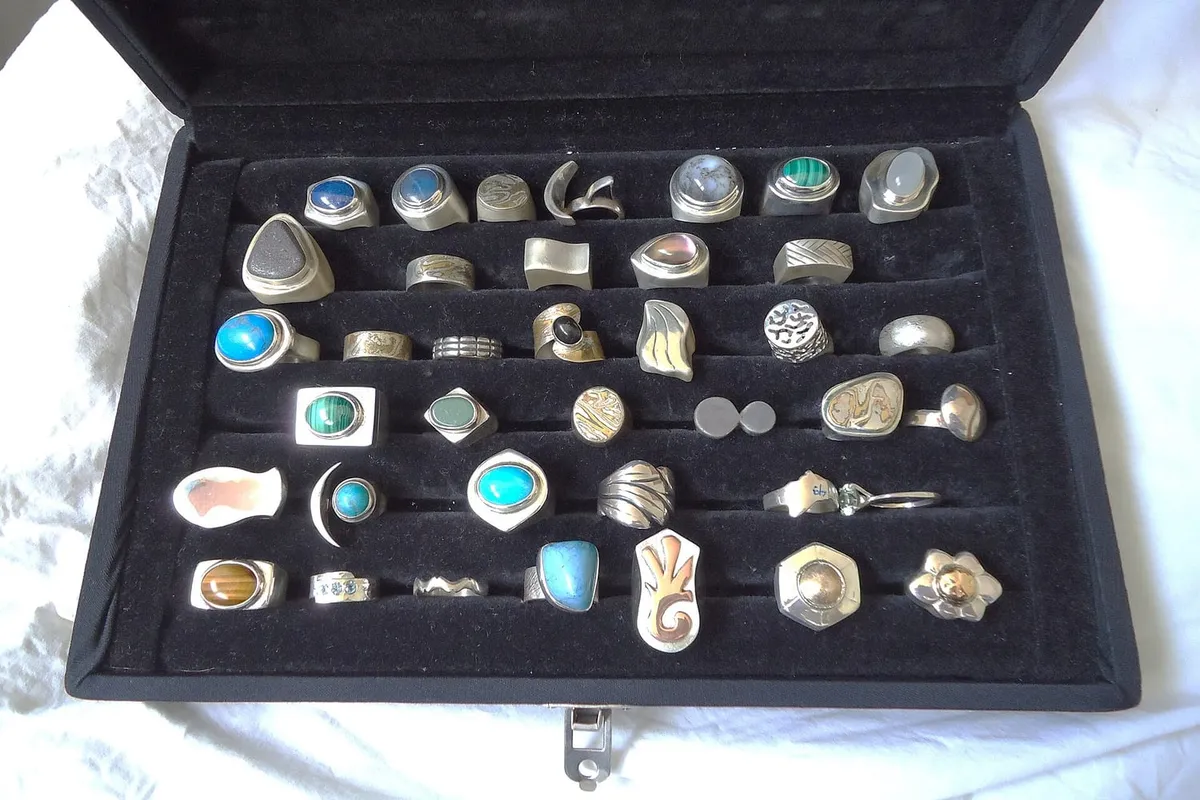
Store pieces separately: a divided box, individual pouches, or a soft roll. Metal-on-metal contact scratches, stone-on-stone contact chips, and a heap of chains becomes a knotted mess. Fasten chains before storing so they are less likely to tangle, and lay them flat or hang them rather than folding them into a tight loop. Keep humidity down and tarnish control up: sealed bags and anti-tarnish strips for silver, dry drawers rather than a steamy bathroom, and nothing in direct sun.
Wear habits that prevent most damage
Take pieces off before showers, swimming, cleaning with household products, gardening, gym work and sleep. Chains and rings catch on equipment and bedding, chlorine and cleaning chemicals attack alloys and plating, and the small impacts of daily activity do more cumulative damage than any single accident. Put jewellery on last when you get dressed, once perfume and cosmetics have dried, and take it off first at the end of the day.
When to see a professional
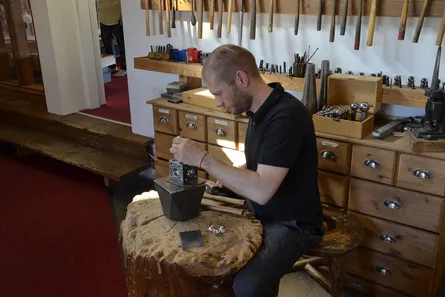
Annual checks are worth it for pieces worn daily: a jeweller can tighten prongs, test clasps, check joints and refinish a surface properly. Some jobs are simply not home jobs — restringing pearls, rebuilding prongs, re-plating, resizing, and anything involving opening a watch case. For those, our notes on what a workshop can and cannot do are a useful starting point, and a repairer who explains what they are going to do before they do it is worth keeping.